Understanding the psychology behind player decisions in casinos
The Influence of Emotions on Gambling Behavior
Emotions play a crucial role in shaping a player’s decisions in casinos. When individuals step into a casino environment, they are often driven by a mix of excitement, anticipation, and sometimes anxiety. This emotional cocktail can lead to impulsive decisions, such as betting larger amounts than intended. The thrill of the gamble can cloud judgment, making it difficult for players to adhere to their personal limits. Players often find themselves caught up in the moment, swayed by the emotions tied to winning or losing. If you want to play Balloon game online in Nigeria, visit https://balloongame.com.ng/ for an exciting experience!
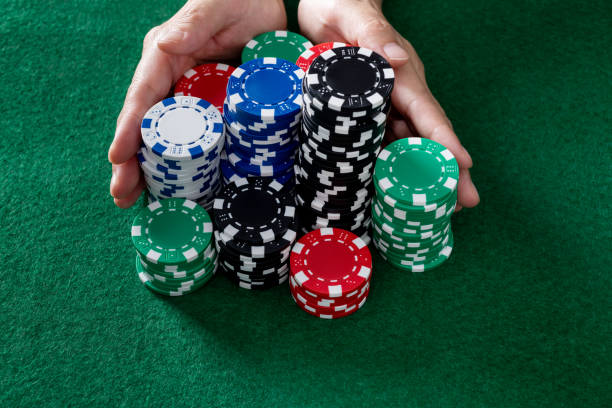
Moreover, the feeling of being on a winning streak can create a false sense of security. Players may believe they have an understanding of the game or have outsmarted the system, prompting them to take greater risks. This overconfidence often stems from emotional highs associated with significant wins, leading to a cycle where players chase the thrill, even when statistics suggest otherwise. Understanding how emotions affect decision-making can help casinos tailor their environments to capitalize on this aspect of human psychology.
On the flip side, negative emotions, such as frustration or sadness, can lead to what is often termed “chasing losses.” Players who experience losses may become determined to recover their funds and continue gambling in hopes of reversing their luck. This behavior often results in even greater financial losses, illustrating the profound influence emotions have over rational thinking in gambling scenarios. Recognizing these patterns is essential for both players and casino operators, as it highlights the need for responsible gambling practices.
The Role of Cognitive Biases in Gambling
Cognitive biases are systematic patterns of deviation from norm or rationality in judgment, and they significantly impact how players perceive risks and rewards in casinos. One common bias is the “gambler’s fallacy,” where players believe that past events influence future outcomes in random games of chance. For instance, if a slot machine has not paid out for a while, a player may mistakenly think that a win is due, leading them to gamble more. This misjudgment often drives them to play longer and wager higher amounts, with little regard for the actual probabilities involved.
Another prevalent bias is the “illusion of control,” where players believe they can influence the outcome of games purely based on their choices. In table games like blackjack or poker, players may overestimate their skills, thinking that strategic decisions can alter the game’s inherent randomness. This cognitive distortion can cause individuals to make reckless bets, driven by the mistaken belief that they are somehow more skilled than they really are. Casinos exploit these biases, encouraging players to remain engaged, often at a financial loss.
Recognizing these cognitive biases can empower players to make more informed choices. By understanding how their thinking may be skewed, they can adopt strategies to counteract these impulses. For instance, setting strict budgets and limits before entering a casino can mitigate the effects of these biases, helping players stay grounded in reality rather than getting swept away by the allure of potential winnings. Effective education around these biases can improve the gambling experience for everyone involved.
The Social Aspect of Gambling and Its Impact on Decision-Making
The social environment of casinos significantly influences player decisions. Gambling is often a communal activity, where friends or groups gather to enjoy the thrill of the game together. This social interaction can lead to increased excitement and engagement, but it can also encourage risky behavior. Players may feel pressured to continue betting or to wager larger amounts to keep the group’s energy high or to impress their peers. Such dynamics often lead to decision-making that prioritizes social acceptance over personal financial safety.
Additionally, the concept of “social proof” often plays a role in gambling. When players observe others winning, they may be more inclined to gamble themselves, driven by the desire to share in that success. Casinos design their layouts to promote this kind of environment, with visible wins and excited groups encouraging participation. However, this can lead to reckless decisions as individuals follow the crowd without assessing their own circumstances, thus increasing the risk of significant losses.
In contrast, the isolation experienced by some players can lead to a different set of behaviors. Those who gamble alone may be more reflective but also more likely to chase losses without the moderating influence of friends. Understanding these social dynamics can provide valuable insights for casinos looking to create balanced environments that encourage responsible play while still maintaining an engaging atmosphere for all visitors.
Marketing Techniques and Their Psychological Underpinnings
Casino marketing strategies often exploit psychological principles to attract and retain players. One of the most effective methods involves creating an alluring atmosphere through sensory stimulation. The combination of lights, sounds, and scents can evoke feelings of excitement and pleasure, prompting players to gamble more. For instance, the sound of coins clinking or the flashing lights of a slot machine can trigger positive associations, reinforcing players’ desire to keep playing, regardless of their actual wins or losses.
Moreover, casinos frequently use promotions, bonuses, and loyalty programs to enhance player engagement. These offers tap into the psychology of scarcity and reward, enticing players with the possibility of gaining more than they risk. The fear of missing out (FOMO) can compel individuals to make decisions that prioritize short-term gains over long-term consequences. Players may overlook the fine print of these offers, believing they are advantageous, while in reality, they may lead to increased spending.
Understanding these marketing techniques can aid players in making more informed choices. By recognizing the strategies casinos employ to influence behavior, individuals can develop a more critical approach to gambling. This awareness can encourage players to seek out responsible gaming practices and prioritize their well-being over momentary thrills, thus fostering a healthier relationship with gambling activities.
Engaging with Responsible Gaming at Balloon Game Nigeria
At Balloon Game Nigeria, we prioritize responsible gaming by providing resources and strategies that help players make informed decisions. Understanding the psychology behind player decisions in casinos is integral to our mission. We offer guidance on managing emotions and recognizing cognitive biases, helping players enjoy their gaming experience without falling into unhealthy gambling habits.
Our platform encourages players to set limits and to approach gaming as a form of entertainment rather than a way to make money. By fostering a community that values fair play and responsible practices, we aim to create an engaging environment where players can enjoy their favorite games, including the innovative Balloon Game, while also being mindful of their financial and emotional well-being.
Join us at Balloon Game Nigeria, where we combine thrilling gameplay with an emphasis on responsible gaming. With our user-friendly interface and commitment to player education, we strive to create a vibrant and supportive community for all gaming enthusiasts in Nigeria. Explore the thrill of the Balloon Game while keeping your gambling experience enjoyable and safe!
